
Cancer Is a Monster: Declare It a National Disaster

Standing with Biez Kaviru, Elizabeth Johnstone writes to the President of Kenya to say what many are afraid to: cancer is bankrupting families, breaking spirits, and it must be treated as a national emergency.

Your Excellency,

I write this letter in support of Biez Kaviru. I also stand in solidarity with thousands of Kenyans who are quietly carrying a cancer diagnosis. They are fighting battles no one sees.

The moment a person is told they have cancer, life fractures.

Before the body begins treatment, the mind and spirit start to grieve.

People grieve the life they knew.

They grieve certainty.

They grieve plans they trusted—education, careers, businesses, retirement, and time itself.

Cancer does not only attack the body.

It invades the psyche.

It dismantles families.

It drains savings accumulated over decades.

It converts hope into hospital visits and calendars into scan dates.

For many Kenyans, cancer is not just a medical condition—it is a financial death sentence.

Your Excellency, cancer must be recognized for what it truly is:

a national disaster.

And like any national disaster, its response can’t be optional, charitable, or dependent on personal wealth.

Cancer treatment must be accessible, fair, and free.

No citizen should have to choose between treatment and poverty.

No family should have to sell land, exhaust pensions, or crowd-fund dignity.

No parent should die knowing their children’s future was traded for chemotherapy.

Equally urgent is how we speak about cancer.

Before anyone casually explains how cancer “kills,” I ask this: pause.

People are listening.

People are living with diagnoses they have not shared.

People are fighting psychological wars while appearing strong in public.

Words spoken without compassion can wound deeper than the disease itself.

Not every conversation requires commentary.

Not every tragedy needs an opinion.

If you have nothing informed, supportive, or humane to say—

say nothing at all.

This is not fear-mongering.

This is reality.

Cancer patients are not statistics.

They are parents, workers, caregivers, entrepreneurs, and nation-builders.

They are citizens who deserve to live—and to be treated with dignity while fighting to do so.

Your Excellency, Kenya can’t continue to outsource survival to chance, charity, or privilege.

A nation is measured by how it protects its most vulnerable.

Cancer care is not a luxury.

It is a right.

Respectfully,

Elizabeth Johnstone
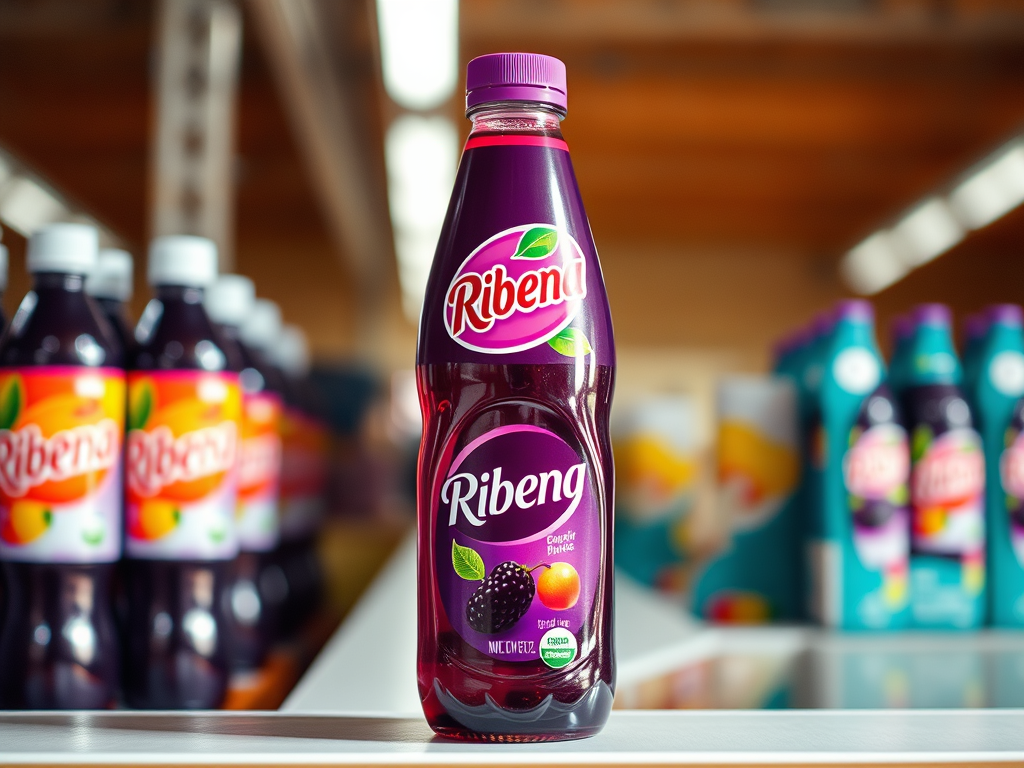
Healing Your Inner Child: Sometimes It’s as Simple as Buying Yourself Ribena

Mwende Musyoka, now 38 and living in the USA, listens to the little girl she once was — the one who spent her days fetching firewood, walking to the river for water, feeding cows, and raising six younger siblings.

That child didn’t ask for much.
Just Ribena.
Or even Fanta Orange — something cold after carrying a life that wasn’t meant for a child.

This is a reminder that small childhood desires often hold deep emotional weight. In the diaspora, healing sometimes looks like self-reparenting — finally giving yourself what scarcity once denied.

Because honoring those small wants is how we bridge our past and present selves.

When your inner child finally gets a say

It’s winter, and I walked myself into Starbucks for my favorite latte.
Before I order, I noticed a child sipping a drink I once wished for.

And just like that, my inner child started talking.

She wanted Ribena.

I paused. Memories rushed in — long days, small bodies carrying big responsibilities. Fetching firewood. Walking to the river for water. Feeding cows. Looking after six younger siblings. Thirst that went beyond water. Wanting something small and sweet, and knowing better than to ask.

I canceled my order.

I crossed the road, walked into Walmart, and bought myself Ribena — in the middle of winter.

That was it.
That’s all my inner child wanted.

On a normal day, catch me dead drinking processed stuff. But this moment wasn’t about nutrition or discipline. It was about listening. About honoring a need that had gone unmet for years.

And in that quiet act, something clicked.


The Quiet Grief of Small Wants

When we talk about childhood wounds, we often name the big things — neglect, abandonment, trauma, assault. But many of us who grew up in Kenyan homes carry a quieter grief.

The snack you wanted but couldn’t have.
The drink you saw but never tasted.
The day you were too tired to be a child.

These moments didn’t break us.
But they shaped us.

We learned early to downplay desire. To survive before we could dream. To say “it’s okay” even when it wasn’t.

And those lessons don’t disappear just because we grow up or move abroad.


Self-Reparenting in the Diaspora

Living in the diaspora gives you access to things your younger self could only imagine. Yet many of us still live with invisible rules of scarcity.

Self-reparenting doesn’t have to be dramatic.

Sometimes it looks like:

  • Canceling the latte
  • Buying the Ribena
  • Letting yourself want without explaining
  • Meeting a need without guilt

I’ve been to therapy many times, for many things.
But that day, I chose a different kind of healing.

I listened.


Why the Small Things Heal the Deepest Wounds

When you honor your inner child — even in simple ways — you send a powerful message:

You matter. Your needs were valid. You don’t have to earn care anymore.

These small acts calm the nervous system. They replace lack with safety. They build trust between who you were and who you are now.

Healing doesn’t always come from unpacking the past.
Sometimes it comes from responding to it with kindness.


So… What Does Your Inner Child Want?

Maybe it’s Ribena.
Maybe it’s rest.
Maybe it’s joy without justification.
Maybe it’s permission to be soft.

Whatever it is — listen.

Healing doesn’t always roar.
Sometimes it whispers.


A Word from Wordflow Studio

At Wordflow Studio, we believe healing doesn’t have to be loud or performative. Sometimes it’s quiet. Ordinary. Personal.

Sometimes, healing looks like giving yourself what no one could give you then — because now, you can.

Ask yourself today:

What does my inner child want — and how can I show up for them?


Author: Elizabeth Mwende Johnstone Musyoka
Brand: Wordflow Studio
Healing through words. Power through clarity.

And When You Finally Make It, Change your environment.

Elizabeth M. Johnstone discusses the complexities of personal growth, emphasizing that evolving into a higher self often necessitates letting go of old attachments. Women, conditioned to prioritize loyalty, may struggle against familiar environments that stifle progress. Embracing change requires courage and reflection, urging individuals to prioritize alignment and their future desires over past comforts.

By Elizabeth M. Johnstone, Wordflow Studio

Where healing meets clarity. Where growth meets truth.


There’s a quiet grief that comes with becoming a higher version of yourself.
Not because growth is wrong. It often asks you to loosen your grip on people, places, and patterns. These once felt like home.

Many women are taught to endure, to stay loyal, to make themselves smaller for harmony. But the truth is this: staying attached to what no longer aligns can slowly cost you who you are becoming.

Here’s why outgrowing your comfort zone isn’t betrayal — it’s evolution.


1. Your Environment Remembers Who You Used to Be

When you rise, your old environment keeps replaying your past mistakes. It doesn’t see the private discipline, the silent growth, the inner rewiring. It remembers the version of you that struggled openly. That memory limits how far they believe you can go. Sometimes, growth requires entering spaces where your future speaks louder than your past.


2. Familiarity Often Erodes Respect

Respect needs space to breathe. People who saw your lowest moments feel entitled to speak to you without care. As a woman stepping into authority, distance isn’t pride — it’s protection. You don’t owe accessibility to everyone who knew you before you evolved.


3. Your Growth Triggers Unresolved Insecurities

Your progress becomes a mirror. And not everyone is ready to face what it reflects. When others haven’t confronted their own stagnation, your expansion can feel threatening. Support cools, encouragement fades, and criticism creeps in. This isn’t about you — it’s about what they haven’t healed.


4. Old Circles Protect Old Versions of You

Every environment has unspoken rules. When you change, you break them. Growth disrupts comfort, and groups may try to pull you back — not out of cruelty, but out of familiarity. You do not have to stay the same so others can stay comfortable.


5. Jealousy Lives Closest

Envy rarely comes from strangers. It often comes from those who know your story, your flaws, your vulnerabilities. When you outgrow shared limitations, comparison sneaks in quietly. Not all resistance is loud — some of it shows up as silence, distance, or subtle withdrawal.


6. Comfort Softens Your Edge

Comfort removes urgency. When everything feels familiar, standards slowly slip. For women conditioned to focus on peace, growth often requires intentional discomfort. Expansion needs pressure — not constant ease.


7. Loyalty Without Growth Becomes Self-Betrayal

Blind loyalty keeps women stuck. Staying out of guilt, history, or emotional attachment can cost you your future. Loyalty is only honorable when it is mutual, respectful, and aligned with growth. Anything else is obligation disguised as virtue.


8. Your Environment Shapes Your Identity

Your thoughts, language, and sense of possibility are shaped by what surrounds you daily. Stay where small thinking is normal, and you’ll shrink to fit. Place yourself in environments that stretch you, and evolution becomes inevitable.


The Wordflow Truth

You don’t outgrow people by accident.
You outgrow them because your future requires a higher version of you. This version chooses alignment over attachment. They choose purpose over comfort. They also choose growth over familiarity.


Your Invitation

Pause and ask yourself:
Where am I staying out of habit instead of alignment?
Who am I being loyal to at the expense of my own becoming?

Give yourself permission to grow — even if it means leaving what once felt safe.
Your next chapter begins with your choice.


— Wordflow Studio
Healing through words. Power through clarity