
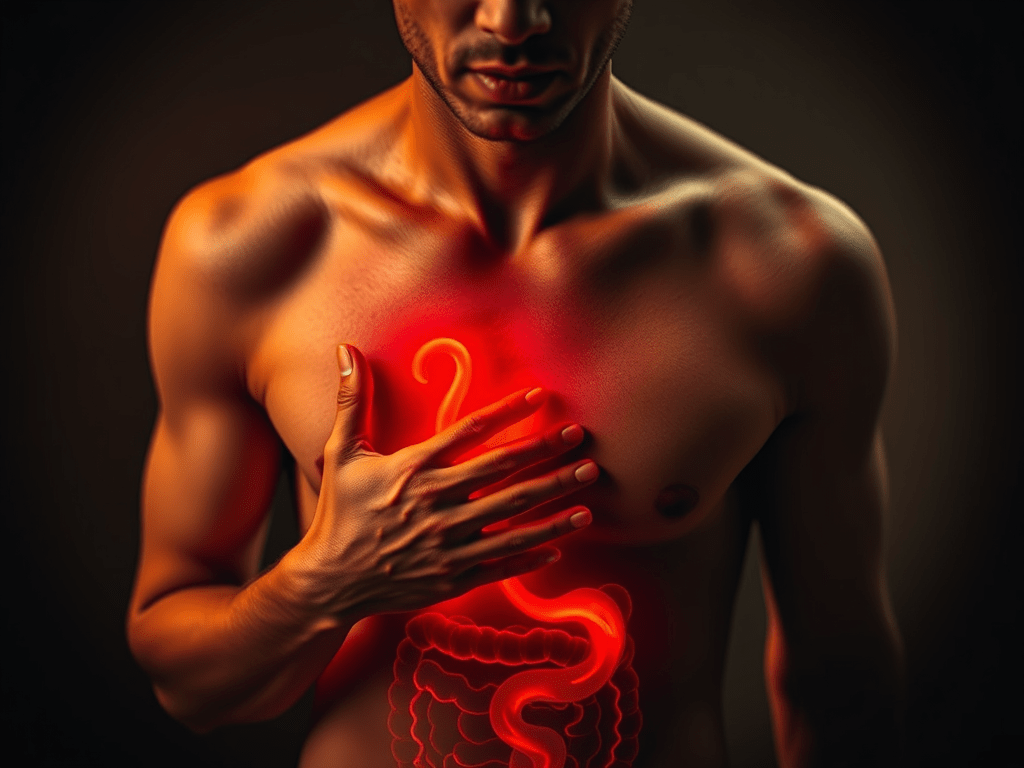
What is GERD (Gastroesophageal Reflux Disease)?
GERD is that annoying and sometimes painful condition where stomach acid flows back into your food pipe (esophagus). It causes a burning feeling in your chest, commonly known as heartburn, and can really mess with your digestion.
If you’ve ever felt that fire rising after a meal, your stomach might be telling you, “There’s a reflux problem!” That sensation can also occur while lying down.
Common Symptoms of GERD
- Burning in the chest (especially after eating)
- Sour taste in the mouth
- Trouble swallowing
- Dry cough or hoarse voice
- Bloating and burping
What Triggers GERD?
Here are common triggers that fuel acid reflux:
- Spicy, fatty, or fried foods
- Coffee, alcohol, or soda
- Tomatoes, citrus fruits
- Chocolate
- Large meals
- Lying down too soon after eating
Let’s Talk About OMAD, Fasting & Starving
A lot of people swear by OMAD (One Meal a Day) or intermittent fasting for weight loss. And yes, these can work when done correctly. But here’s the flip side, they can also worsen or trigger GERD if you’re not careful.
How OMAD & Fasting May Trigger GERD:
- Empty Stomach = More Acid
Long fasting hours mean your stomach is producing acid with nothing to digest. This can irritate your gut lining or trigger reflux. - Overeating During That One Meal
When you’re super hungry, you’re likely to eat a lot at once. That puts pressure on your stomach, pushing acid back up. - Late Night Eating
Most OMAD followers eat in the evening. Then they go to bed soon after. This is prime time for acid reflux to kick in. - Disrupted Digestion Rhythm
Your gut thrives on consistency. Extreme eating windows confuse it.
How to Prevent GERD Naturally
- Eat smaller, balanced meals, don’t overload your plate.
- Wait 2–3 hours before lying down after meals.
- Cut down on trigger foods especially spicy, greasy, or acidic ones.
- Stay upright or go for a walk after eating, no couch naps!
- Drink water regularly but not too much with meals.
- Consider breaking your fast earlier in the day if OMAD is triggering symptoms.
Final Thoughts:
GERD isn’t just about spicy food, it’s also about how and when you eat. You might be on OMAD, fasting, or skipping meals. If you notice acid reflux kicking in, your stomach might be asking you to slow down. It could be time to rethink your routine.
Listen to Your Gut. Literally.
Trying to lose weight or improve your health shouldn’t come at the cost of daily discomfort or long-term stomach damage. If your body is raising red flags, honor them.
And Finally!
Have you ever experienced heartburn while fasting or on OMAD?
Share your story in the comments, and let’s support each other in healing through mindful eating.

Wordflow Caring Hearts LLC
“Every life is a story. We care for yours with dignity.”


 Wordflow Caring Hearts LLC